
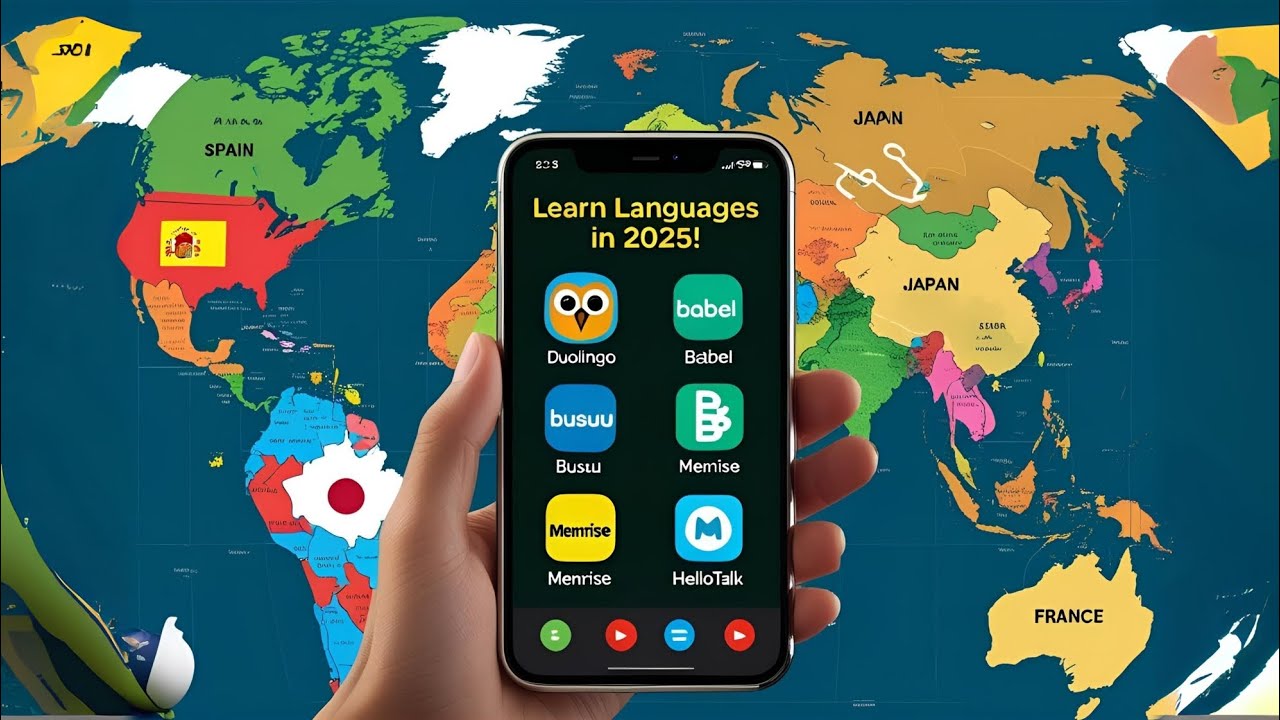
Learning a new language can open doors to career opportunities, travel, and personal growth. Today, technology makes it easier than ever to learn a language using mobile apps, which are convenient, interactive, and beginner-friendly. Here are some of the best apps to start learning a language today.
1. Duolingo
Duolingo is one of the most popular language learning apps worldwide:
- Offers bite-sized lessons for daily practice
- Covers dozens of languages, from Spanish to Japanese
- Uses gamification to make learning fun and engaging
- Free with optional premium features for ad-free learning
Beginner tip: Set daily goals and complete short lessons consistently for best results.
2. Babbel
Babbel focuses on practical language skills for real-life conversations:
- Lessons designed by language experts
- Emphasizes speaking, listening, and writing skills
- Short lessons (10–15 minutes) fit into a busy schedule
- Paid subscription with free trial
Great for beginners who want to communicate confidently in a new language.
3. Memrise
Memrise combines vocabulary learning with real-world content:
- Uses videos of native speakers for context
- Interactive exercises improve memory and retention
- Free version available, premium unlocks advanced features
Perfect for beginners who want to learn naturally through exposure.
4. Rosetta Stone
Rosetta Stone is a well-established language learning platform:
- Immersive approach: teaches through images, audio, and context
- Focus on pronunciation and speaking skills
- Available for mobile and desktop
- Paid subscription with a strong reputation for effective learning
Ideal for beginners who prefer structured, immersion-based learning.
5. Busuu
Busuu offers interactive lessons and a community of native speakers:
- Practice speaking with native speakers through the app
- Courses structured by beginner, intermediate, and advanced levels
- Includes vocabulary, grammar, and conversational exercises
- Free with optional premium subscription
Perfect for learners who want real-life conversation practice.
6. LingQ
LingQ is designed for learning through reading and listening:
- Import articles, books, and podcasts to learn vocabulary in context
- Track words you’ve learned and practice them regularly
- Offers courses in multiple languages, suitable for beginners to advanced learners
Great for learners who prefer self-directed learning and real content exposure.
7. HelloTalk
HelloTalk focuses on social learning and language exchange:
- Connect with native speakers worldwide
- Text, voice, and video chat for practice
- Community corrections and tips for language improvement
- Free basic version with optional premium
Ideal for beginners looking to practice conversational skills naturally.
Tips for Using Language Apps Effectively
- Set daily goals – even 10–20 minutes daily is effective
- Mix apps with real practice – speak, write, and listen outside the app
- Repeat and review regularly – spaced repetition improves retention
- Stay consistent – regular practice beats long but irregular sessions
Conclusion
Learning a new language is easier and more enjoyable with the right apps. Platforms like Duolingo, Babbel, Memrise, Rosetta Stone, Busuu, LingQ, and HelloTalk provide interactive lessons, practical exercises, and opportunities to practice with native speakers. The key is to start small, practice daily, and stay consistent. With dedication, anyone can learn a new language and unlock endless opportunities!