
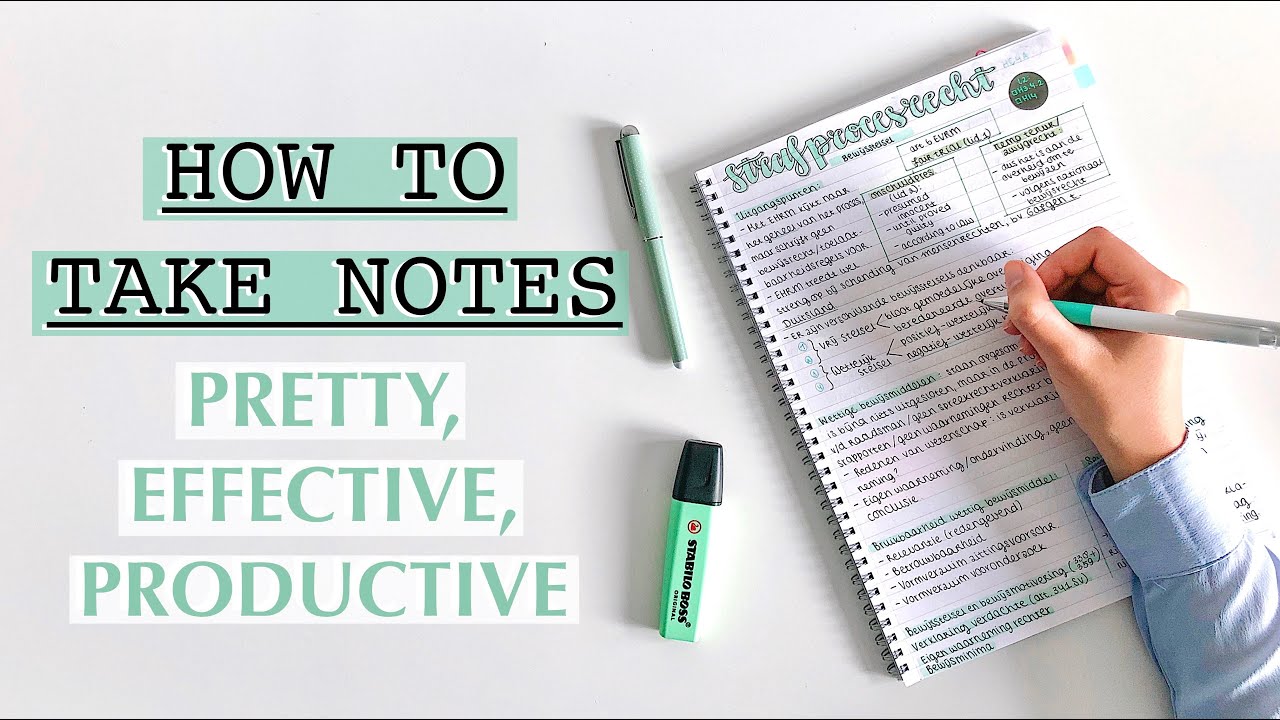
Taking effective notes is one of the most important skills for students. Good notes help you understand concepts better, retain information longer, and make studying easier. Whether in high school, college, or online courses, learning how to take clear and organized notes can improve your academic performance dramatically.
1. Choose the Right Note-Taking Method
Different methods work for different subjects and learning styles. Here are some popular approaches:
- Cornell Method: Divide your page into three sections – cues, notes, and summary. Ideal for reviewing and testing yourself.
- Outline Method: Organize information hierarchically with headings and subheadings. Perfect for structured subjects like history or biology.
- Mind Mapping: Use diagrams to visually connect ideas. Great for brainstorming or subjects with interconnected concepts.
- Charting Method: Create tables for comparisons, useful in science and statistics.
Choose a method that fits the subject and your personal learning style.
2. Be Active While Listening or Reading
Effective note-taking requires engagement:
- Focus on key ideas instead of writing everything
- Listen or read for main points, definitions, examples, and formulas
- Ask yourself questions while taking notes to stay engaged
Active note-taking improves understanding and retention.
3. Use Abbreviations and Symbols
Speed is important during lectures or fast-paced lessons:
- Use shortcuts like “w/” for with, “b/c” for because
- Create your own symbols for repeated terms or ideas
- Avoid writing full sentences unless necessary
This helps you capture information quickly without losing important points.
4. Highlight Key Points
After taking notes, highlight or underline critical information:
- Focus on definitions, formulas, dates, and main ideas
- Use different colors to categorize information
- Keep highlights minimal to avoid clutter
Highlighting makes revision faster and more effective.
5. Review and Edit Notes Regularly
Notes are most useful when reviewed and refined:
- Go through notes after class while the material is fresh
- Add examples, clarifications, or additional information
- Summarize the main ideas at the end of your notes
Regular review improves memory retention and understanding.
6. Use Digital Tools When Needed
Digital notes can be more organized and accessible:
- Apps like Notion, Evernote, or OneNote for structured notes
- Use cloud storage to access notes on any device
- Include images, diagrams, or links for better understanding
Digital tools make it easy to organize and search your notes.
7. Organize Notes by Subject or Topic
A cluttered notebook makes studying harder:
- Keep separate notebooks or digital folders for each subject
- Date each entry for chronological review
- Use tabs or headings to quickly locate topics
Good organization saves time and improves study efficiency.
8. Focus on Understanding, Not Just Writing
Notes are a tool for learning, not a transcription:
- Don’t try to copy everything verbatim
- Rewrite information in your own words
- Add personal insights or examples to make it meaningful
Understanding the material ensures your notes actually help you study.
9. Combine Notes with Other Study Techniques
Maximize your learning by integrating notes with other methods:
- Use flashcards for quick review of key points
- Create mind maps from linear notes to visualize connections
- Test yourself on note content for active recall
Combining techniques enhances memory and retention.
10. Stay Consistent
Consistency is key for effective note-taking:
- Take notes for every class or study session
- Review and refine notes weekly
- Keep improving your note-taking skills over time
Regular practice turns note-taking into a powerful learning habit.
Conclusion
Effective note-taking is a skill that boosts learning, retention, and exam performance. By choosing the right method, staying active while taking notes, highlighting key points, reviewing regularly, and staying organized, students can study smarter and save time. Start applying these strategies today and make your notes a valuable tool for academic success.