
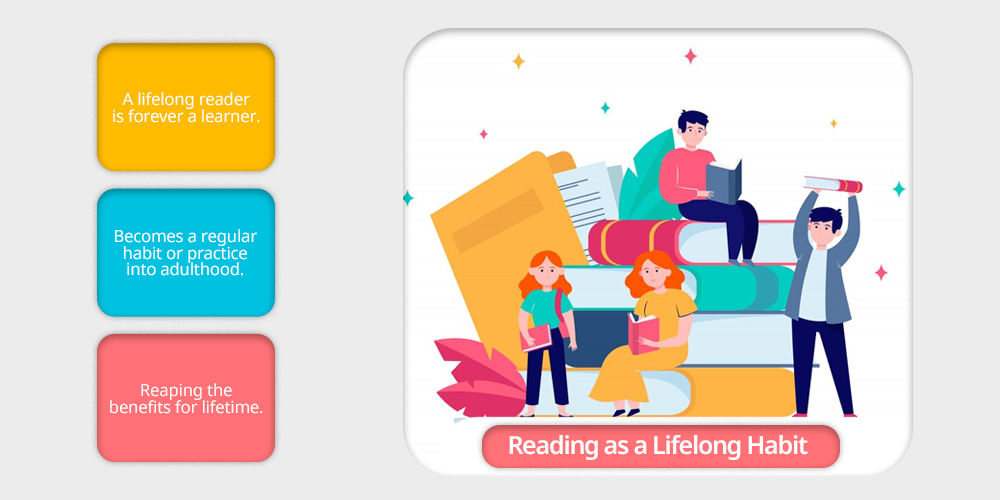
Reading is one of the most valuable habits a student can develop. Beyond textbooks, reading books, articles, and stories improves academic performance, enhances personal growth, and opens doors to new ideas. Here’s why reading is essential for students and how it can transform learning.
1. Improves Vocabulary and Language Skills
Regular reading exposes students to new words, phrases, and sentence structures:
- Enhances vocabulary for writing and speaking
- Improves grammar and comprehension
- Helps express ideas more clearly
A strong command of language boosts academic performance across all subjects.
2. Enhances Concentration and Focus
Reading requires attention and focus, skills that are transferable to other areas:
- Improves mental endurance for long study sessions
- Teaches students to concentrate on a task without distractions
- Strengthens brain function and memory
Better concentration helps students learn efficiently and retain information.
3. Encourages Critical Thinking
Reading, especially non-fiction and analytical texts, stimulates critical thinking:
- Helps analyze and evaluate information
- Develops problem-solving skills
- Encourages questioning and curiosity
Critical thinking is essential for academic success and real-life decision-making.
4. Boosts Academic Performance
Students who read regularly tend to perform better in exams:
- Better comprehension improves understanding of textbooks and lectures
- Reading a variety of materials enhances knowledge across subjects
- Encourages independent learning and self-study
Reading daily gives students an academic advantage.
5. Reduces Stress and Improves Mental Health
Reading can be a great way to relax and escape stress:
- Immersing in stories or educational content reduces anxiety
- Encourages mindfulness and focus on the present
- Provides a positive break from digital screens and distractions
A calmer mind improves learning efficiency and overall well-being.
6. Expands Knowledge and Perspective
Books and articles introduce students to new ideas, cultures, and experiences:
- Encourages empathy and understanding of different viewpoints
- Provides insights into various subjects beyond the curriculum
- Inspires creativity and innovative thinking
Reading broadens horizons and prepares students for a globalized world.
7. Strengthens Memory and Cognitive Skills
Reading involves remembering characters, facts, and ideas:
- Improves memory retention and recall
- Strengthens analytical and comprehension skills
- Enhances brain connectivity and cognitive function
Strong cognitive skills make studying easier and more effective.
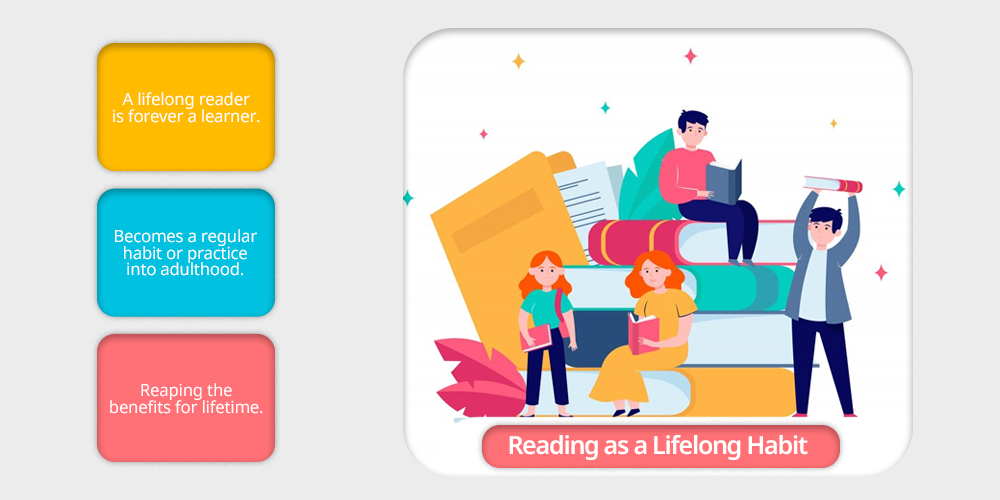
8. Encourages Lifelong Learning
Students who develop a reading habit often continue learning beyond school:
- Builds curiosity and a love for knowledge
- Encourages self-improvement and personal development
- Prepares students for higher education and professional life
Reading becomes a habit that benefits education and career long-term.
9. Improves Writing Skills
Reading regularly improves writing naturally:
- Observing different writing styles and structures
- Learning to organize ideas coherently
- Adopting new vocabulary and expressions
Better writing skills enhance academic performance and communication.
10. Inspires Creativity and Imagination
Fiction and creative works stimulate imagination:
- Encourages students to think outside the box
- Provides inspiration for projects, essays, and problem-solving
- Enhances creativity in all aspects of life
Creativity nurtured through reading helps students excel academically and personally.
Conclusion
Reading is a powerful tool for students, offering academic, cognitive, and personal benefits. From improving vocabulary and concentration to fostering critical thinking and creativity, reading daily shapes well-rounded, knowledgeable, and successful learners. Encourage yourself or students to read regularly and watch how it transforms learning, growth, and future opportunities.