
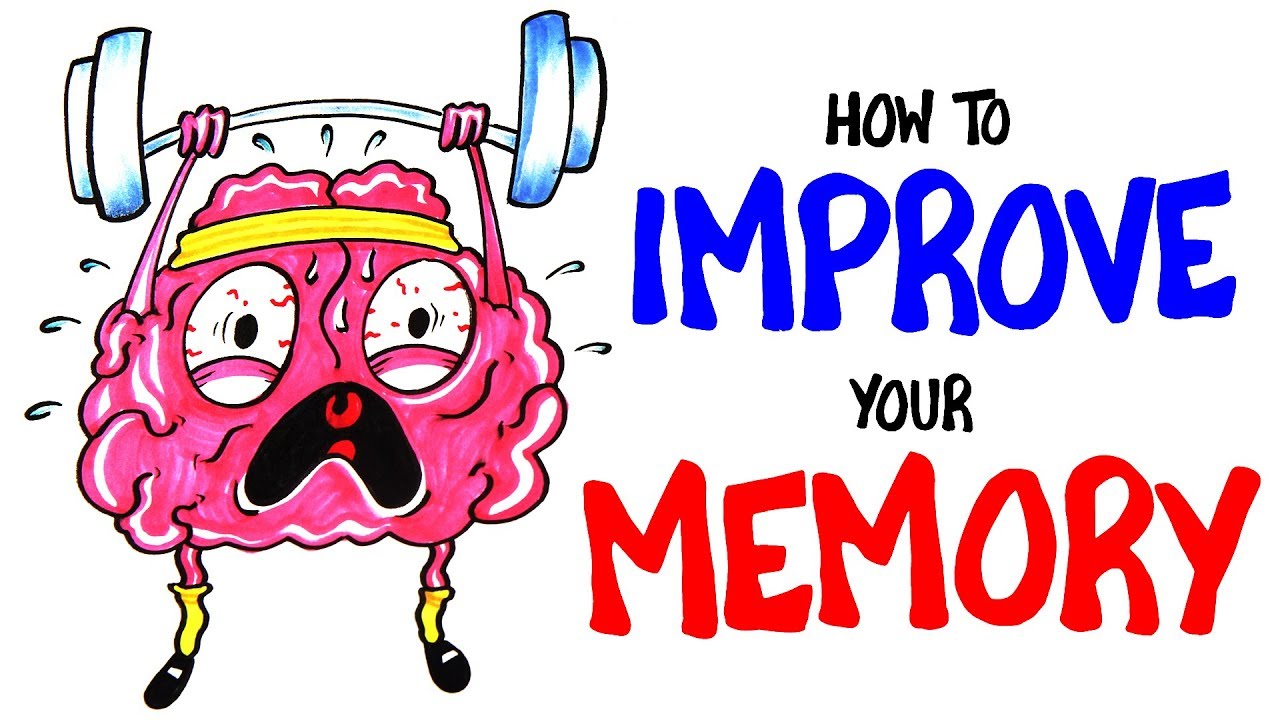
For students, having a strong memory and good retention is essential for learning efficiently, performing well in exams, and mastering new skills. The good news is that memory can be trained and improved with the right techniques and lifestyle habits.
1. Understand, Don’t Just Memorize
Simply memorizing facts often leads to quick forgetting. Instead, focus on understanding concepts:
- Break down complex ideas into simpler parts
- Relate new information to what you already know
- Use examples and real-life applications
When you understand information, it’s easier to remember it long-term.
2. Use Active Recall
Active recall is one of the most effective ways to improve retention:
- Test yourself regularly on what you’ve learned
- Use flashcards to practice key points
- Try to write down what you remember without looking at notes
Active recall strengthens neural connections and improves memory.
3. Apply Spaced Repetition
Spaced repetition involves reviewing information at increasing intervals:
- Review notes after 1 day, 3 days, 1 week, and 1 month
- Focus more on topics you find difficult
- Use apps like Anki or Quizlet for automated spaced repetition
This technique ensures long-term retention of knowledge.
4. Use Mnemonics and Memory Aids
Mnemonics help make information easier to recall:
- Acronyms: e.g., HOMES for the Great Lakes (Huron, Ontario, Michigan, Erie, Superior)
- Rhymes or songs: Turn facts into catchy tunes
- Visual imagery: Associate ideas with vivid mental images
Memory aids make learning fun and effective.
5. Teach What You Learn
Teaching others forces you to organize and recall information clearly:
- Explain concepts to a friend or family member
- Pretend you are giving a lecture on the topic
- Discuss topics in a study group
Teaching reinforces learning and boosts memory retention.
6. Practice Regularly
Consistent practice helps move information from short-term to long-term memory:
- Solve problems or answer questions related to the topic
- Review notes daily or weekly
- Apply knowledge in real-life situations
Regular practice strengthens your ability to recall information under pressure, like in exams.
7. Take Care of Your Brain and Body
Memory is influenced by lifestyle habits:
- Sleep: 7–8 hours is crucial for memory consolidation
- Nutrition: Eat brain-boosting foods like nuts, berries, fish, and leafy greens
- Exercise: Physical activity increases blood flow to the brain and improves focus
- Hydration: Dehydration can reduce cognitive function
A healthy body supports a sharp and alert mind.
8. Reduce Stress
High stress levels can negatively impact memory:
- Practice relaxation techniques like deep breathing or meditation
- Break study sessions into manageable chunks
- Avoid cramming at the last minute
A calm mind is better at learning and retaining information.
9. Create a Conducive Study Environment
Your surroundings affect memory:
- Study in a quiet, well-lit place
- Avoid distractions like phones or noisy areas
- Keep your materials organized for easy access
An ideal environment improves focus and enhances retention.
10. Stay Positive and Confident
Believing in your memory skills enhances performance:
- Replace thoughts like “I’ll forget everything” with positive affirmations
- Celebrate small achievements in learning
- Stay motivated and persistent
Confidence and positivity strengthen your ability to remember and recall information effectively.
Conclusion
Improving memory and retention is not about studying harder, but studying smarter. By using techniques like active recall, spaced repetition, mnemonics, teaching, and maintaining a healthy lifestyle, students can remember more, retain knowledge longer, and excel in exams. Start applying these methods today and watch your learning abilities grow dramatically!